 0
0
Serengeti vs Ngorongoro vs Tarangire
Choosing the Right Safari to Combine With Kilimanjaro
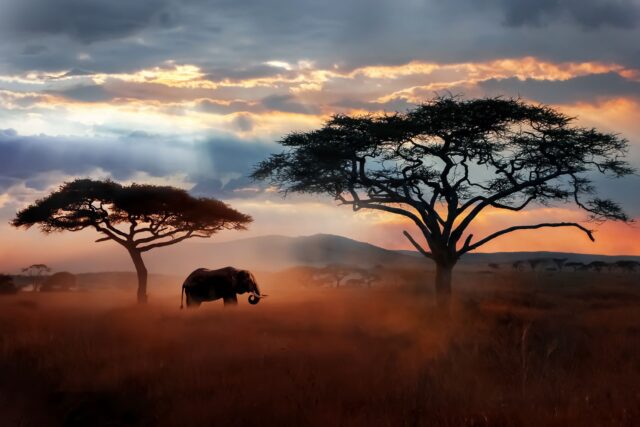
For many TrekkingHero guests, a safari is the natural next chapter after summiting Kilimanjaro. The pace slows, the scenery opens up, and wildlife becomes the focus. But Tanzania’s main safari regions offer very different experiences, and understanding those differences makes it much easier to choose the right fit for your trip.
The parks most commonly combined with Kilimanjaro are Serengeti National Park, Ngorongoro Crater, and Tarangire National Park. Each offers its own mix of wildlife, landscapes, and travel rhythm, and all can be visited on safaris ranging from a single day to multi-week journeys. Our Machame Route and 5 Day Safari is a great option.
Serengeti National Park
Iconic Wildlife on a Grand Scale
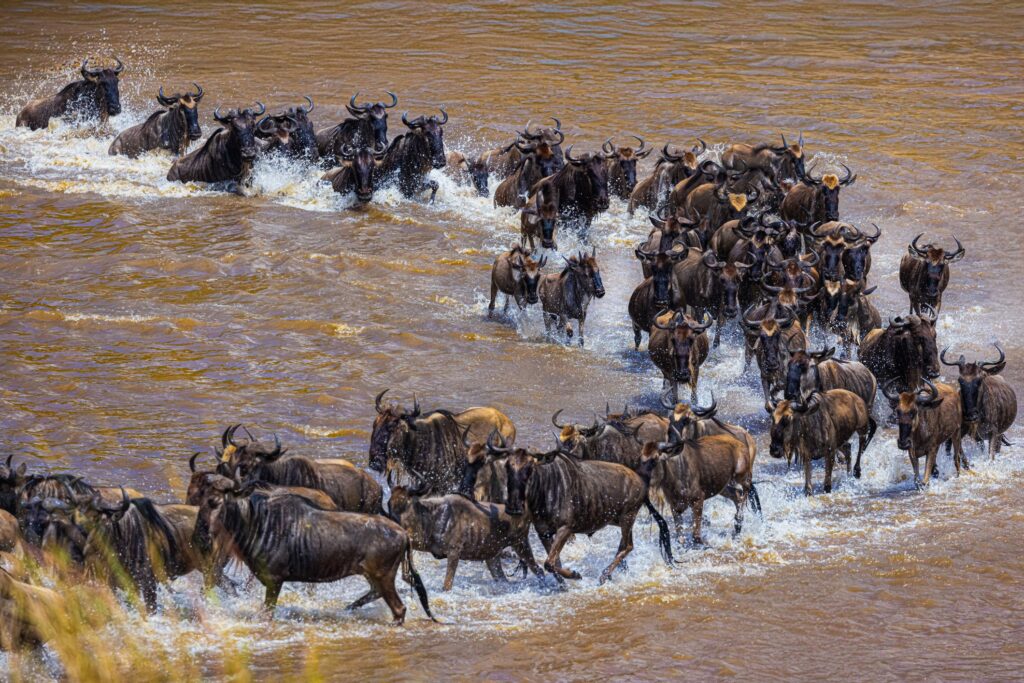
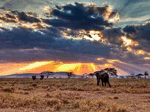
The Serengeti is defined by space and movement. Vast open plains allow wildlife to roam freely, creating the classic safari experience many travelers imagine. This is where large predators thrive — lions are frequently seen in open view, cheetahs sprint across the grasslands, and leopards rest in the shade of acacia trees. The famous Great Migration passes through different areas of the Serengeti throughout the year, but even outside migration season, wildlife sightings are consistently strong.
Because of its size, the Serengeti works best as a multi-day safari. Guests who visit after Kilimanjaro often appreciate slowing the pace here, spending full days on game drives without feeling rushed. It’s well worth adding a couple of extra days to the schedule just to slow your pace and immerse yourself in the experience.
The best wildlife viewing generally occurs during the dry season from June to October, when animals concentrate around water sources and visibility is high. January to March brings the calving season in the southern Serengeti, while July through September can coincide with dramatic river crossings during migration.
Best time for wildlife
- June–October: Dry season, best general game viewing
- January–March: Calving season (predator action)
- July–September: Migration river crossings
Best safari length
- 3–5+ days
The Serengeti is included in all of our longer 4 day and 5 day safari trips. The park can be visited in three days but it’s really short with the amount of driving required from Moshi. It is possible to arrange flights from Arusha to the Serengeti to cut down on drive time.
Ngorongoro Crater
Maximum Wildlife in Minimum Time
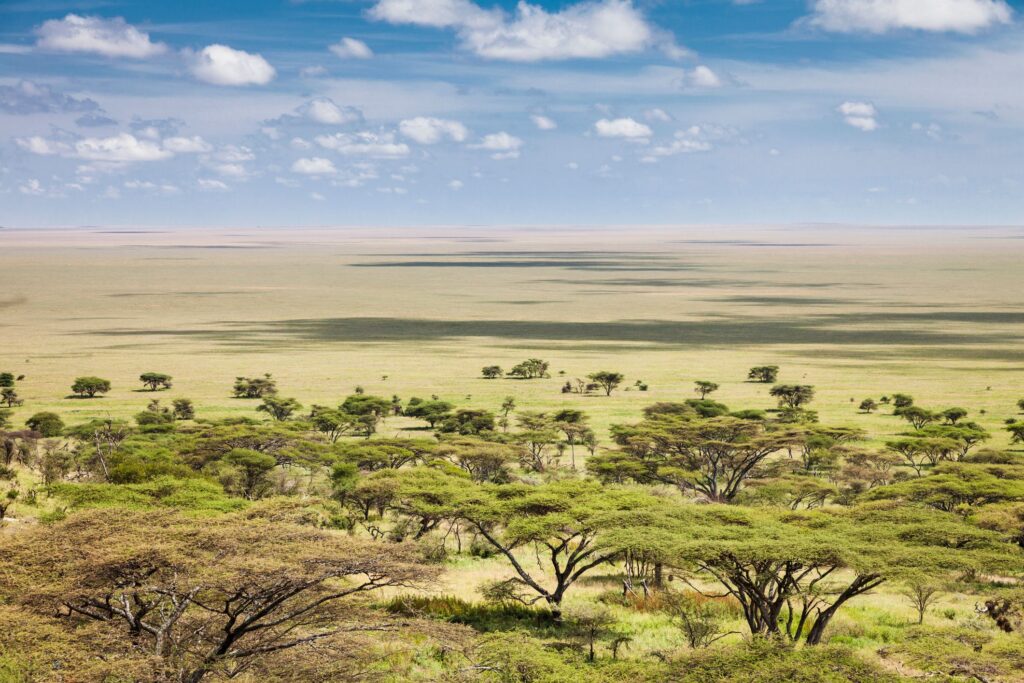
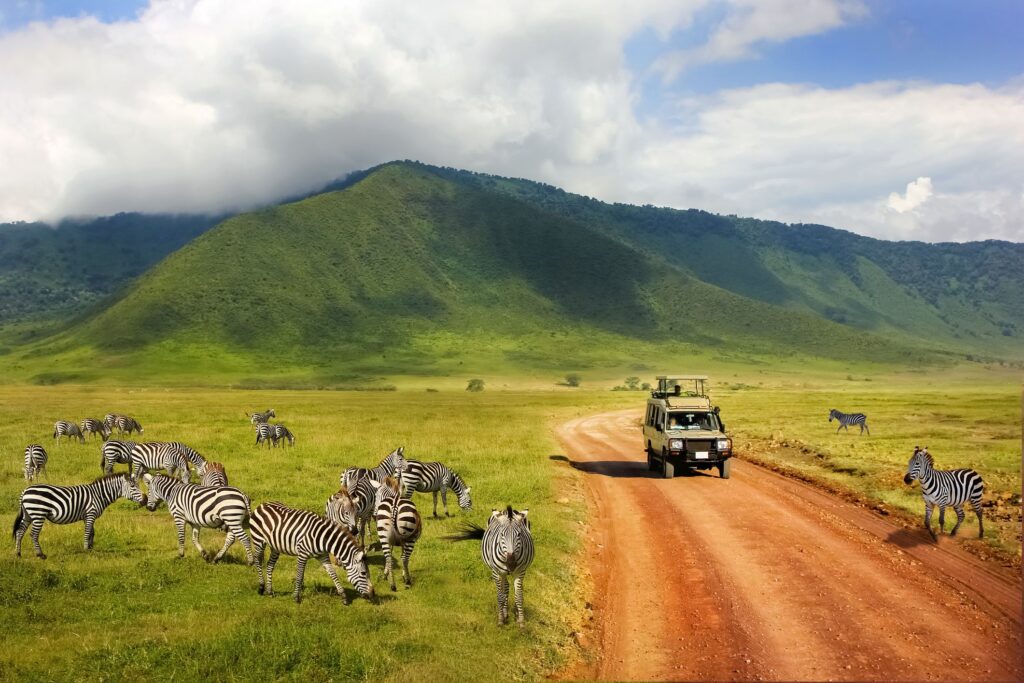
Ngorongoro offers one of the most concentrated wildlife experiences in Africa. Unlike the Serengeti, animals live year-round inside the crater, creating reliable sightings within a relatively small area. It’s common to see lions, elephants, buffalo, hippos, and even rare black rhinos in a single day.
Because of this density, Ngorongoro is especially appealing to travelers with limited time after Kilimanjaro. A single day inside the crater can deliver a remarkably complete safari experience, making it ideal for those who want strong wildlife encounters without committing to multiple travel days.
Wildlife viewing is excellent year-round, with June to October offering drier conditions and clearer visibility, while November through May brings greener landscapes and fewer vehicles.
Ngorongoro is frequently chosen as a 2-day safari that is combined with Tarangire although it’s possible to do in a single very long day from Moshi or Arusha.
Tarangire National Park
Elephants, Space, and a Slower Pace
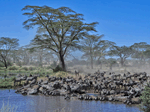
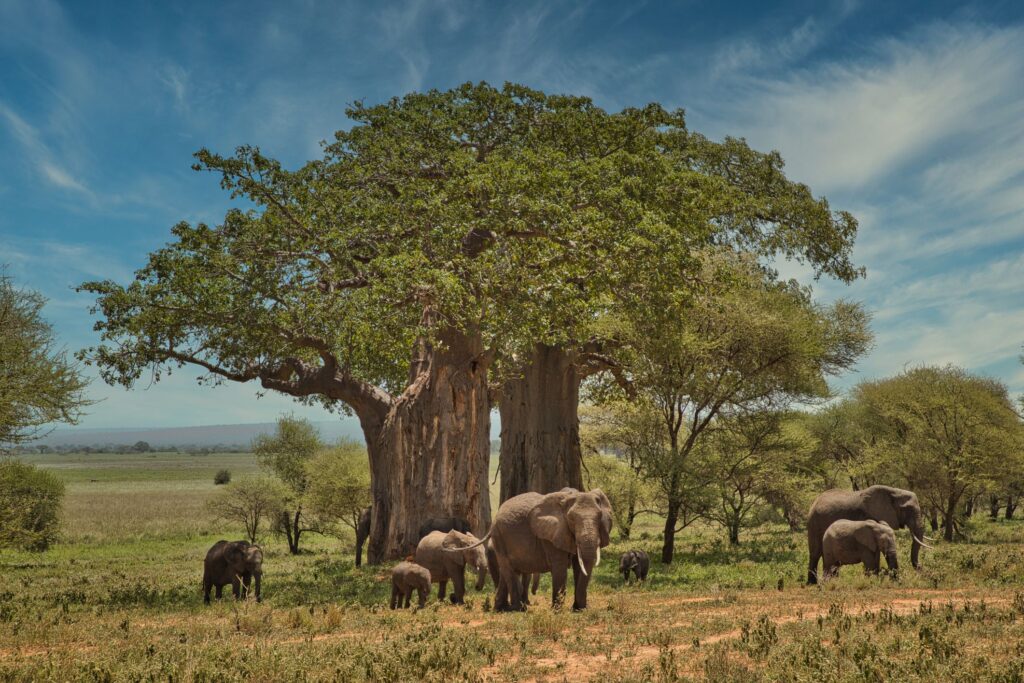
Tarangire offers a quieter, more relaxed safari experience. It’s best known for its large elephant herds, particularly during the dry season when wildlife gathers along the Tarangire River. The park’s landscape — dotted with ancient baobab trees — feels distinct from both the Serengeti and Ngorongoro, and game drives here tend to be less crowded.
Tarangire is especially rewarding for travelers who enjoy watching animal behavior unfold over time rather than rushing between sightings. In addition to elephants, the park supports a wide variety of plains game and birdlife, making it a favorite among repeat safari visitors.
The best wildlife viewing occurs from June to October, when animals concentrate near permanent water sources. November to March brings greener scenery and fewer visitors, though wildlife becomes more dispersed.
Tarangire is probably the best option for a single day safari after the climb. It’s included in most of our longer safari itineraries as well.
How Most Kilimanjaro Climbers Choose
After summiting Kilimanjaro, most guests fall into one of three categories:
- Those who want a short single day safari often choose Tarangire alone.
- Those looking for a balanced, relaxed experience combine Tarangire and Ngorongoro.
- Those seeking a classic, immersive safari add multiple days in the Serengeti.
Because all safaris are customizable — from one day to two weeks — guests can tailor the experience to match their energy level, season, and interests.
Final Thoughts
Each park brings something different to the table. The Serengeti offers scale and drama, Ngorongoro delivers density and efficiency, and Tarangire provides space and calm. There’s no single “right” choice — just the combination that best complements your Kilimanjaro climb and travel goals.
If you’re unsure which option fits best just ask one of our team and will be happy to help.