 0
0
Kilimanjaro vs Patagonia
Choosing Between Africa’s Highest Peak and Chile’s Most Iconic Trek
For many adventure travelers, there comes a moment when two legendary trips sit side by side on the bucket list: standing on the summit of Mount Kilimanjaro or trekking through the dramatic landscapes of Torres del Paine National Park in Patagonia.
Both are world-class experiences — but they couldn’t feel more different. One is about altitude, endurance, and a single defining summit day. The other is about immersion, scenery, and moving through one of the most visually striking landscapes on Earth.
If you’re trying to decide between Kilimanjaro and Patagonia’s W Trek or O Circuit, this guide will help clarify which experience fits your travel style, timeline, and expectations.
Kilimanjaro: One Goal, One Summit
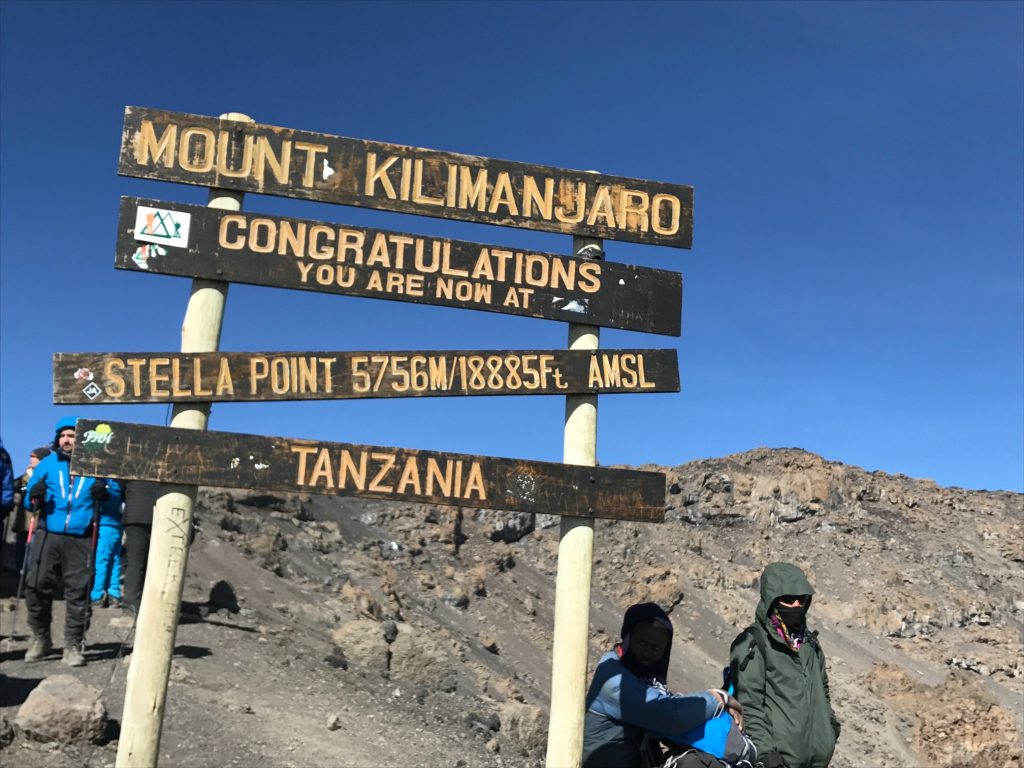
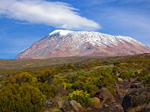
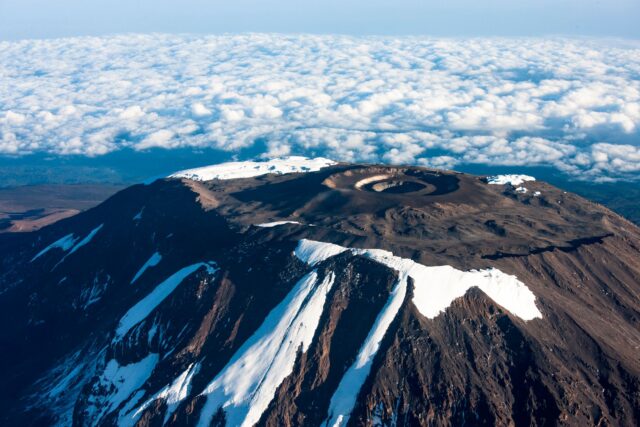
Climbing Kilimanjaro is a point-to-point journey with a clear objective: reaching Uhuru Peak at 5,895 meters (19,341 ft). There’s no technical climbing, but altitude is the defining challenge. Success depends on pacing, acclimatization, and mental resilience more than hiking skill.
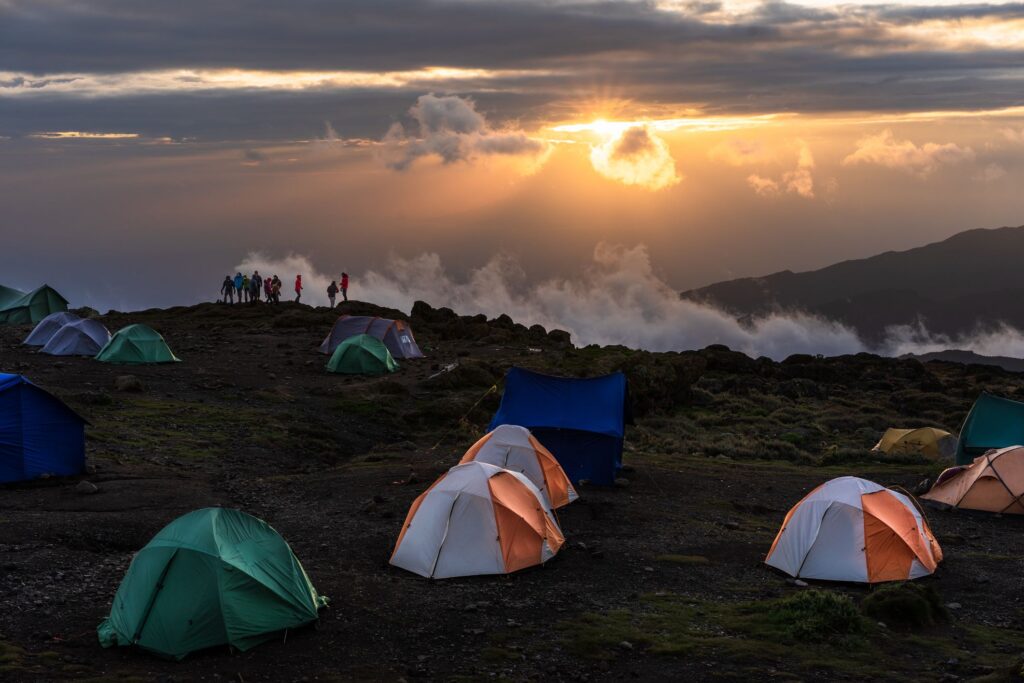
Most routes take 6–9 days, with each day building toward a single, long summit push that often starts around midnight. The reward is standing on Africa’s highest point at sunrise — a moment many travelers describe as one of the most powerful of their lives.
Kilimanjaro is best suited for travelers who are motivated by a clear goal and are comfortable pushing outside their comfort zone for a once-in-a-lifetime achievement.
Patagonia (W Trek & O Circuit): The Journey Is the Reward
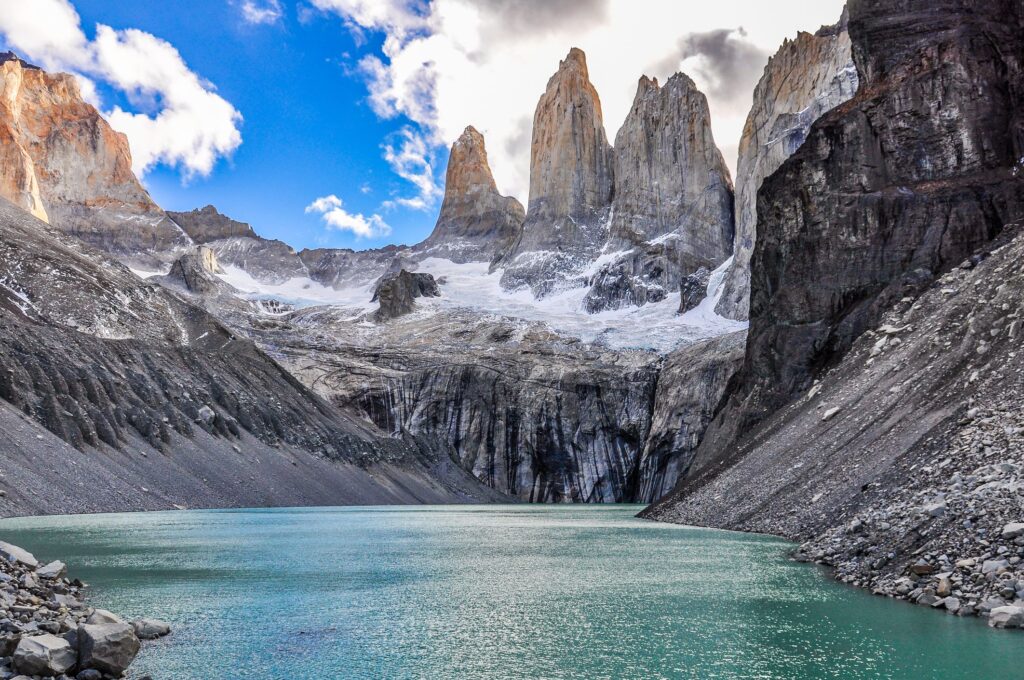
Patagonia’s W Trek and O Circuit are not about reaching the highest point on a map — they’re about earning access to some of the most dramatic landscapes on Earth. Each day unfolds differently, shaped by weather, light, and terrain rather than altitude alone.
For many trekkers, the defining moment comes at the Base of the Towers in Torres del Paine National Park. Reaching this viewpoint — standing beneath the sheer granite spires at sunrise — is a powerful achievement in its own right.
The W Trek typically takes 4–5 days and focuses on these iconic highlights, while the O Circuit extends the experience to 7–9 days, looping through quieter backcountry terrain where the sense of remoteness deepens. There’s no single “all-or-nothing” day, but rather a series of milestones — mountain passes, glacial viewpoints, and long valley walks — each delivering its own reward.
Unlike Kilimanjaro, there’s no pressure to perform on a single night or summit push. Success in Patagonia is measured differently: by the landscapes you move through, the weather you endure, and the moments when the trail opens up to something unforgettable.
Landscapes, Ecosystems & Wildlife
One of the biggest differences between Kilimanjaro and Patagonia isn’t just how they look — it’s how the ecosystems change as you move through them, and what kind of wildlife you’re likely (or unlikely) to encounter along the way.
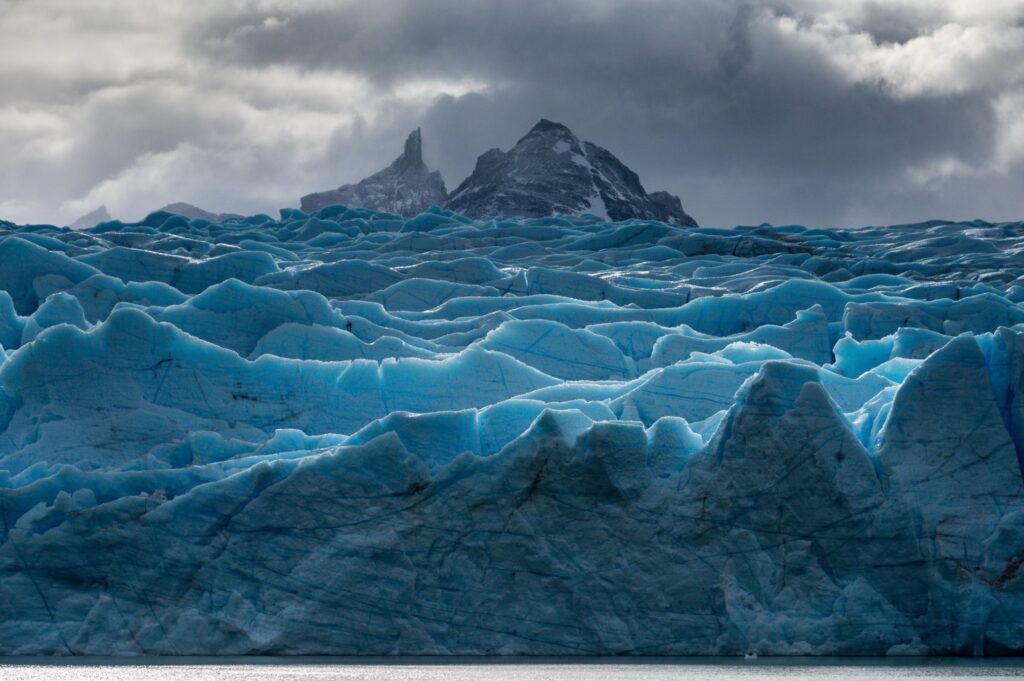
Kilimanjaro: A Vertical Journey Through Five Ecosystems
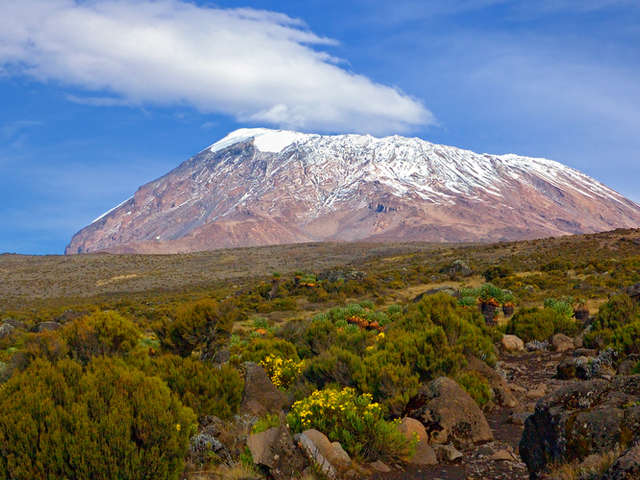
Climbing Mount Kilimanjaro is like walking from the equator to the Arctic in a single trip. As you ascend, the mountain carries you through a series of distinct ecological zones, each with its own character.
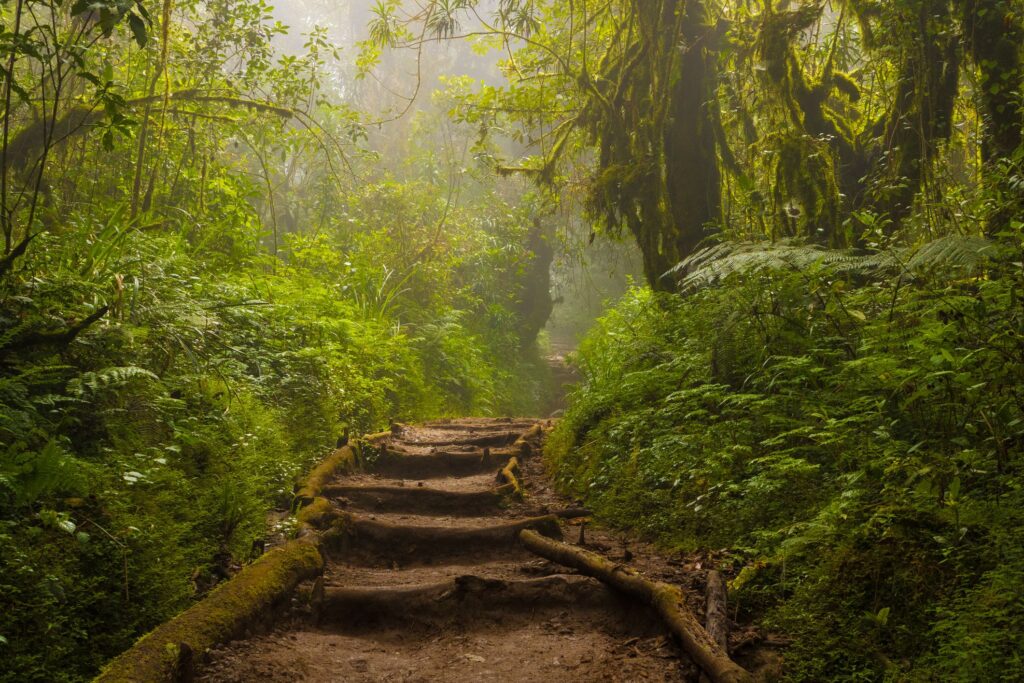
The lower slopes begin in cultivated farmland and dense rainforest, where you may see colobus monkeys, blue monkeys, and a wide variety of birdlife. Above the forest, the landscape opens into heath and moorland — a surreal zone of giant lobelias and senecio plants found almost nowhere else on Earth. Higher still, alpine desert dominates, where life becomes sparse and conditions increasingly harsh. The summit zone is glacial and stark, with ice fields and volcanic rock defining the final approach to Uhuru Peak.
Wildlife encounters on Kilimanjaro are subtle rather than dramatic. The experience is less about animals and more about ecological transition — watching vegetation thin, temperatures drop, and the environment gradually give way to altitude and exposure.
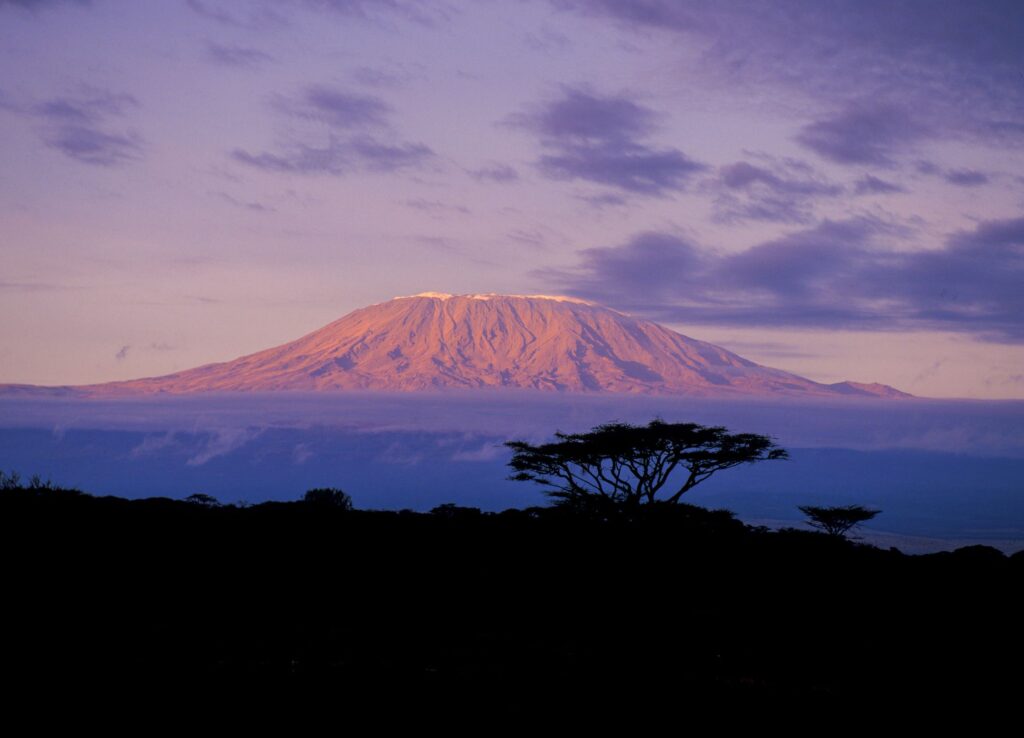
Patagonia: Horizontal Diversity and Living Landscapes
In contrast, trekking in Torres del Paine National Park is about moving across ecosystems rather than climbing through them. Both the W Trek and O Circuit traverse a mosaic of Patagonian environments shaped by wind, ice, and water.
You’ll pass through windswept steppe, lenga forests, glacial valleys, and lake-dotted basins framed by granite spires. The landscape feels raw and constantly in motion, with rapidly changing weather and light transforming the scenery hour by hour.
Wildlife is more visible and more active than on Kilimanjaro. Guanacos are commonly seen grazing on open slopes, while Andean condors soar overhead. Foxes, rheas, and a wide range of bird species are regularly encountered, especially on quieter sections of the O Circuit. While Patagonia isn’t a “safari” destination, the sense of sharing space with wild animals is very much part of the experience.
Physical Demands & Accessibility
Kilimanjaro does not require prior trekking experience, but altitude affects everyone differently and can challenge even very fit hikers. Success depends less on technical ability and more on endurance, pacing, and acclimatization. Training should focus on sustained cardio, long uphill efforts, and back-to-back hiking days to build resilience, along with the mental patience needed for a long summit push.
Patagonia’s W Trek and O Circuit sit at much lower elevations, but the physical demand comes from daily mileage, uneven terrain, and exposure to strong wind and fast-changing weather. Preparation looks more like traditional trek training: building leg strength, joint stability, and comfort carrying a pack over multiple days, ideally in varied conditions.
Comfort, Logistics & Support
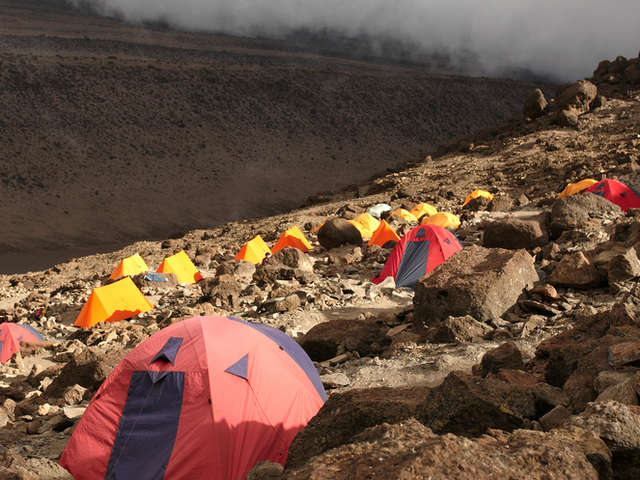
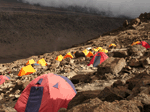
Kilimanjaro climbs are fully supported. Guides, porters, meals, tents, and logistics are handled for you, allowing you to focus entirely on the climb.
Patagonia treks are more flexible. Travelers can choose refugio stays, camping, or a mix of both. While logistics are more complex — permits, reservations, and timing matter — the experience feels more independent, even when supported.
Best Time to Go
- Kilimanjaro: Best conditions are typically January–February and June–October
- Patagonia: The trekking season runs from November to March, with peak summer in January–February
Who Each Trip Is Best For
Choose Kilimanjaro if you:
- Want a clear, iconic summit goal
- Are motivated by personal challenge and endurance
- Prefer a fully supported experience
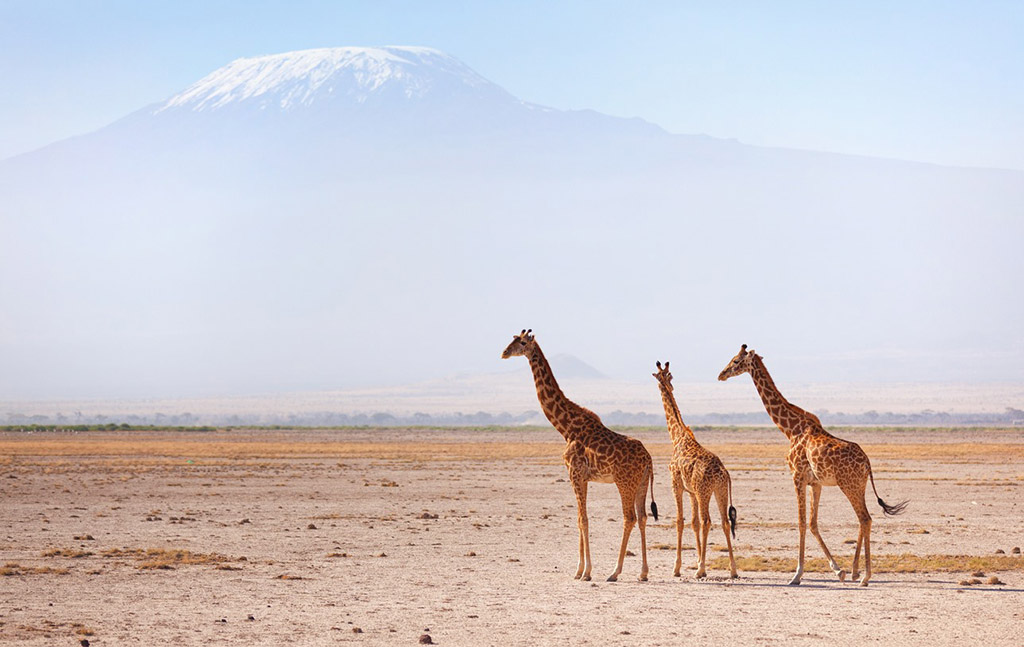
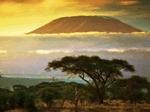
- Like the idea of combining your trek with a safari
Choose Patagonia if you:
- Value scenery and immersion over summits
- Enjoy multi-day hiking with daily rewards
- Prefer a more exploratory trekking experience
- Are drawn to wild, dramatic landscapes
Final Thoughts: Local Teams, Real Experience
Whether you choose Kilimanjaro or Patagonia, the experience is shaped as much by the people on the ground as by the landscape itself. Through TrekkingHero and Patagoniahero, all trips are operated by local, experienced teams based where the adventures actually happen.
Our Kilimanjaro operations are run from Moshi, Tanzania, at the foot of the mountain, while our Patagonia treks are managed from Puerto Natales, Chile, the gateway to Torres del Paine. We don’t outsource logistics or hand trips off to third parties — the guides, coordinators, and support teams you trek with are the same people who live and work in these regions year-round.
That local presence matters. It means better preparation, deeper knowledge of conditions, and smoother logistics — and it ensures that whichever destination you choose, you’re supported by a team that truly knows the terrain, the seasons, and what it takes to deliver a great experience on the ground.
If you’re still deciding between Kilimanjaro and Patagonia, the good news is there’s no wrong choice — just two very different adventures, both backed by teams who specialize in making them exceptional.